Look Up from Your Tools: AI for Product over Production
By
Josh Clark
Published Apr 10, 2026
Designers coding. Product managers shipping. Developers running hot. Figma to code, code to Figma. Everyone’s atingle about what AI is unlocking in the production process.
But friends, look up from the tools for a sec. There’s a much bigger opportunity for designers, products, and businesses. We’re still really early on the value curve here.
Industries and organizations adopt new technology in a progression, each stage unlocking more value than the last.
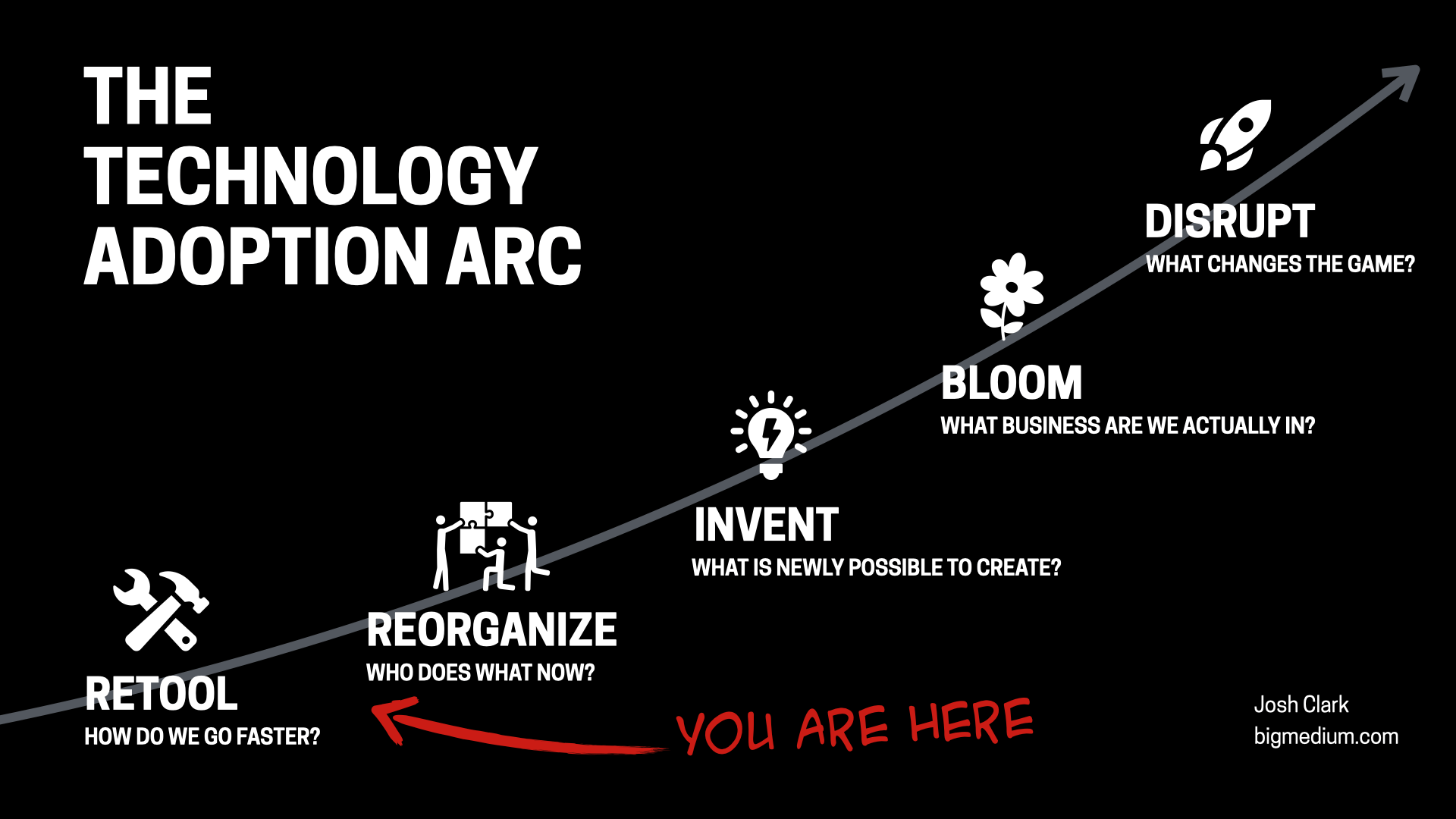
Invent and bloom are the meaningful stages that most companies haven’t yet reached with AI. Not all organizations (and not all technologies) make it through all five stages, and that’s okay. But everyone should be thinking about what that path might look like—and what’s blocking you from the next stage.
1. Retool
The first stage focuses on automation and productivity by applying the technology to current processes and products. It fits easily into practitioners’ mental models for how work is done. And it appeals to business leaders with the promise of immediate return by wringing out new efficiencies.
This is where most of the digital product industry is focused with AI right now. Developers adopt Claude Code to churn out code ten times faster than before. Designers quickly build working prototypes with more interaction and greater fidelity. Design system teams align Figma and code with new speed and accuracy, while automating front-end code for developer handoff. Teams ship more quickly.
In this retool stage, the shape of the output and the overall process remains the same, but we accelerate it with the new technology. This is good work and has real value. It feels mind-blowing when you first see it. Follow Big Medium’s longtime collaborator TJ Pitre to see him reinvent design system tooling and process on the daily. Nobody is doing more on this front right now than TJ and his team at Southleft. It’s great stuff, powerful and immediately useful. But there’s more.
2. Reorganize
Soon enough, transformative tools start to bend or break existing roles and processes, revealing new opportunities.
The classic example: As factories adopted electric motors, it no longer made sense to use older floor layouts organized around a central steam engine. Factories reorganized to put motors at individual machines, rearranging the floor for workflow efficiency, and eventually moving to assembly lines. The technology shift reorganized the whole workflow and often the nature of the work.
Product organizations have only begun wrestling with this with AI. What happens when anyone can code? Or when developers move faster than designers? It flips the traditional understanding of where the expensive part of product design sits. Process and roles have to change to take advantage of the new tools. This is challenging, uncomfortable, and sometimes painful.
The naive move here is to eliminate roles.
The naive move here is to eliminate roles: “we don’t need designers anymore” (or coders or product managers, depending on your perspective). Even more dangerous, I’m seeing an initial tendency for teams to fragment into independent creators instead of collaborators. When everyone can make a thing quickly on their own, you get new kinds of silos. People spin off with different assumptions, different prototyping tools, different design conventions, different codebases. The “army of one” looks like an opportunity, but it actually means you get a million armies, and that’s impossible to wrangle.
Here’s the bigger production opportunity: Now that everyone can use AI to speak code, we can compile our work into a common workspace to explore and make together. At Big Medium, product managers and designers now do their work in the same code repo as developers, contributing requirements and prototypes as new branches. Meanwhile, that shift means everyone also works in the same problem space, too. The handoff waterfall has finally disappeared for us as development, design, and product all riff together through tight iterative cycles from start to finish. (There’s lots more to say about this, and we’ve started doing workshops with our clients to help them work this way, too.)
But this is still only about production process, which is just a means to an end. Only one deliverable matters: the thing we actually ship. The big leap to make with AI is shifting the thinking from production to product.
3. Invent
What are the entirely new things we can make with this technology that we couldn’t do before? What new experiences does it enable? Instead of squeezing value through new efficiencies, how might we grow value for business and customer alike by creating extraordinary new products and services?
Instead of focusing on new tools for old products, these questions shift the thinking to what’s next. And that’s where things get really exciting. This is where AI can elevate design through invention rather than replace it with automation. Design imagination and insights are the scarce resources that become even more essential.
Design imagination and insight are the scarce resources that become even more essential.
A vanguard of companies across industries, in startups and enterprises alike, have begun demonstrating what AI-powered products can be. Cisco with its AI canvas. Miro with its NPC agents working as users (“sidekicks”) on the board. Intercom with its Fin customer service agent working the phones. Even stalwarts like Salesforce and its generative dashboards.
But it’s early, and many companies are still focused on creating text-based agent and chat experiences with AI. Or worse, designers “add AI” by strapping a chat sidebar onto the side of their app. It’s like bolting a spoiler onto a beat up Honda Civic; it’s performative novelty dressed up as innovation.
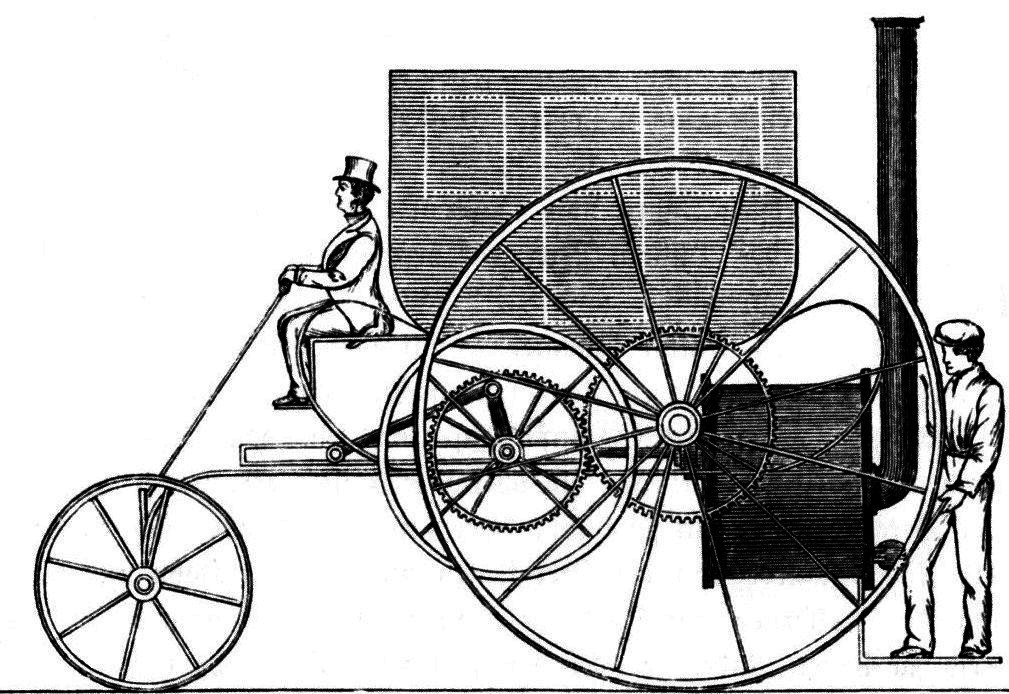
So much more is possible when you weave intelligence into the interface itself. It takes time to coax out the possibilities for a new design material like AI. It took well over a decade to figure out what mobile “wants.” For years, mobile apps were just stunted versions of desktop software. Slowly designers learned that mobile wanted to be something else entirely: single-tap experiences like Uber, card-like feeds like Instagram, and camera-based interfaces like TikTok.
We’re still learning what intelligent interfaces will become. This is a time for wild ideas, for taking leaps beyond the familiar or incremental. Let’s look up from our tools and consider what we might make with them. This is where the big creative and business opportunities lie.
At Big Medium, we’re working this stage hard. In our client work, we’re creating intelligent interfaces that reinvent journalism for a post-article generation. We’re delivering AI-backed research canvases that bloom with data visualizations and spawn agents that collaborate on visual research. We’re building new publishing interfaces to reinvent digital marketing for one of the world’s biggest pharma companies.
This stage requires hefty doses of mad science, but it’s rewarded especially by thoughtful methodology.
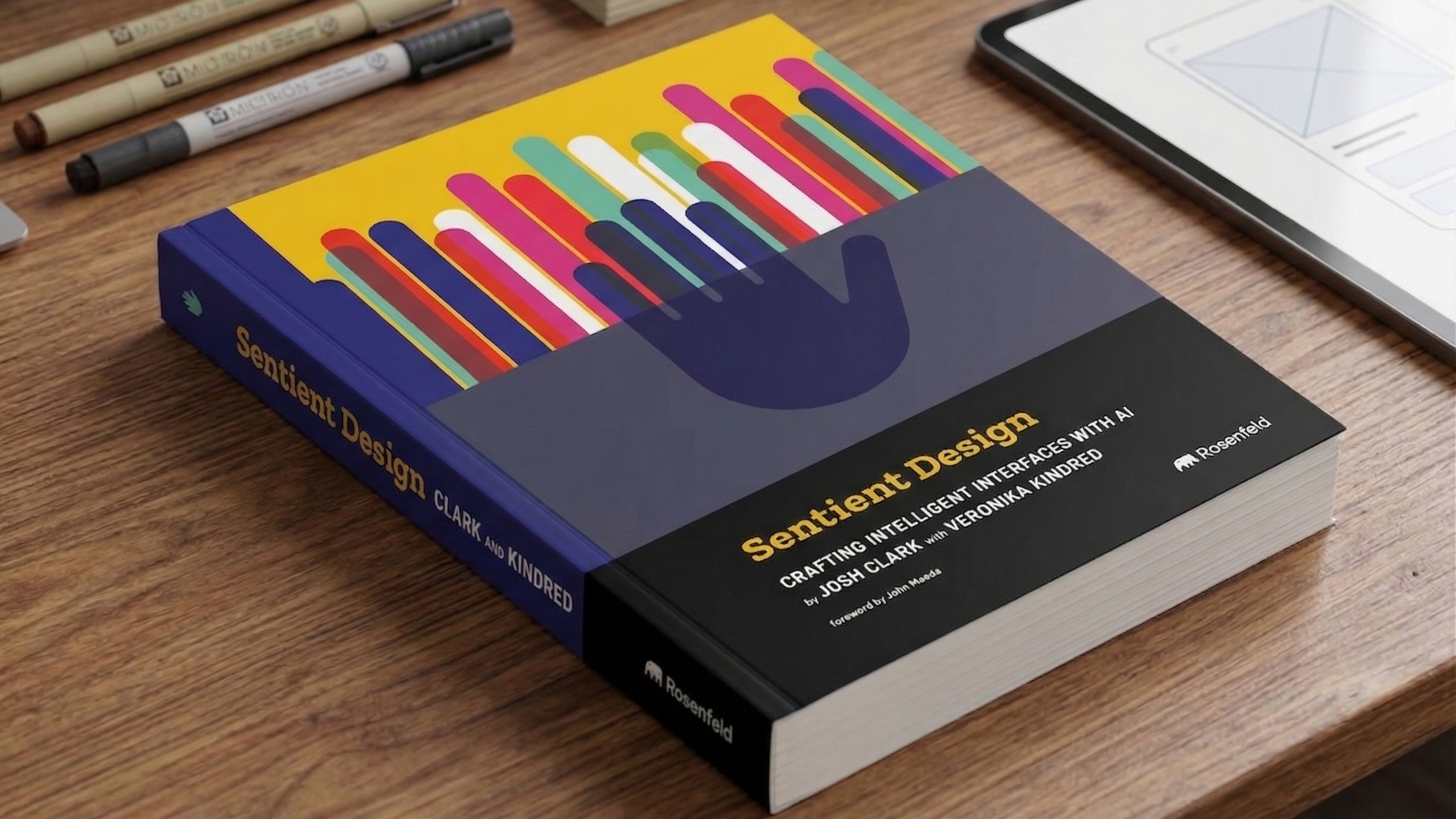
Sentient Design is our practice for creating intelligent interfaces: experiences with the awareness and agency to adapt to your users in the moment. These are dashboards that design themselves, agents that show up as “just another user” in a multiplayer UI, apps that manifest on demand, and much more. We developed a whole framework and methodology around Sentient Design to help support our exploration and invention, with lots of concrete examples. We identified 14 experience patterns that give us archetypes for our work.
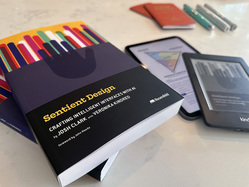
We created Sentient Design because we needed it. We’re sharing it because we think you might need it, too. Veronika Kindred and I wrote a new book about it: Sentient Design: Crafting Intelligent Interfaces with AI (Rosenfeld Media). The book is the first comprehensive map of the territory, exploring and naming an expansive set of experience models that go way beyond text dialogue. We think you’ll enjoy it, and we hope you find it useful.
The invent stage is exciting and creative. The industry has spent the last decade focused on consolidating and streamlining design through design systems and the like. It was necessary work for operations, but product invention stagnated. Now we’re finally turning back to product innovation. This is the important corner for companies to turn now, because this stage unlocks the next.
4. Bloom
When you get it right, the new product changes what you do entirely. It creates a new way of relating to customers, or realizing the latent value of your service. A new line of business blooms.
Getting to this stage is hard to predict because it’s about creating a new market and marshaling your organization and capabilities in new ways. It can be designed, but good fortune helps here. When lightning strikes, the magic happens.
When Netflix created a streaming service to replace their DVD shipping, they suddenly got a ton of viewing data. That product innovation transformed the company from a movie delivery shop to a data warehouse for taste. That in turn gave it the foundation to turn into a media studio.
Great products have a habit of taking a company into new (and sometimes unexpected) directions. We haven’t started seeing this happen quite yet with AI-powered products, since the innovation of the prior invent stage is only beginning, but we will. And when we do, it won’t just be companies that change; some whole industries will likely shift, too. We just don’t know where yet. That’s the final stage.
5. Disrupt
Once in a great while, blooming a new line of business is enough to reshape a whole industry: the familiar examples of Uber and taxis, or AirBnB and hotels. The disruption is often surprising to most, especially the incumbent industry. Nobody would have thought the internet was a threat to yellow cabs or the hotel industry. And yet.
This is classic Clayton Christensen stuff around market disruption, and I won’t go too far here. Disruption isn’t the goal for most companies, though they would be wise to look out for disrupters around them. For those who pull it off, it changes the landscape for everyone else in the industry.
You have to use it to understand what you can make with it.
Either way, it all begins with invention of that new product, and that means understanding the underlying design material of the new technology. That’s why even the early stages—where most companies find themselves with AI—are important, too. Now is when companies are starting to use AI to understand its grain: what it’s good at, bad at, and just plain quirky. You have to use it to understand what you can make with it.
A call to action
For all of you who are exploring and applying new AI tools, keep going. You’re doing the important work of getting familiar with this strange and powerful new technology.
But also, push farther. Use AI to elevate product, not just production. The product and what happens next are the things that matter—and the place where design insight and creativity will realize the biggest value. In rare and special cases, that new product vision will even bloom into a new business or reinvent the industry.
Faster production is quickly becoming table stakes. What we create will change everything. Think big, and go make something amazing.
Big Medium helps teams design what’s next. We do product strategy and experience design to help our clients unlock new value for both the business and the customer. How can we help you?